“The traditional way of education was by example, experience, and storytelling. The first principle involved was total respect and acceptance of the one to be taught, and that learning was a continuous process from birth to death. It was total continuity without interruption. Its nature was like a fountain that gives many colors and flavors of water and that whoever chose could drink as much or as little as they wanted to whenever they wished. The teaching strictly adhered to the sacredness of life whether of humans, animals or plants.”
Art Solomon, Ojibway Elder (2019)
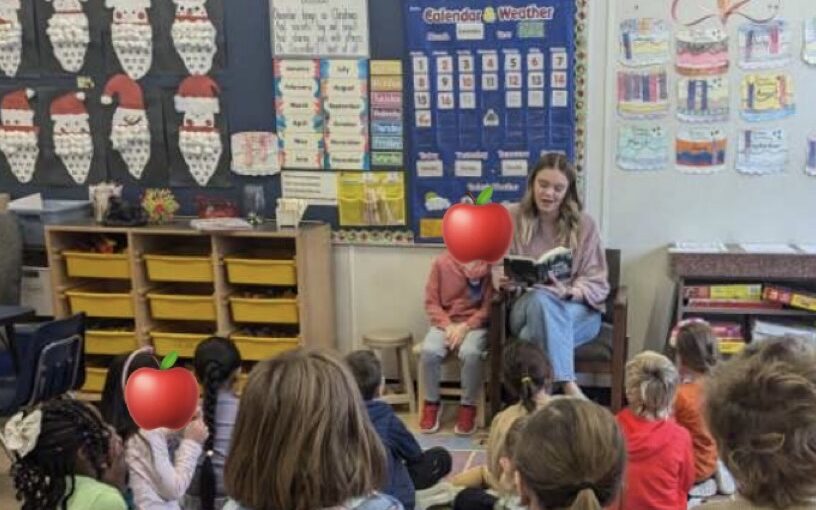
Alike in the quote from Art Solomon, education is something that I believe forms holistically. In my own teaching practice, I want to empower my students to learn from the many aspects of life and foster an understanding that learning in my classroom will not be solely confined to the pages in a book. It is such a gift that no person is the same or learns the same, and catering to the array of learning styles and interests is a goal in my practice as well. Comparing education to the fountain example in Solomon’s words amplifies how every person may interpret content differently and may understand things in another way than perhaps a peer. I value that learning does not begin nor end in the classroom, and my time as a teacher will be spent helping students to develop a foundation where they will begin to think critically and seek knowledge independently. Curiosity is the key to lifelong learning, so encouraging exploration and connections in a classroom is essential. Respect is another key component that is crucial for children to feel a sense of belonging in a classroom. Constantly having respect for all the students helps them to gain confidence and a place of belonging in the class, ultimately giving them a sense of safety and community. Having that safety then allows them to feel more engaged in the learning, ask questions and take risks which will lead to a deeper understanding. Creating connections between teachings, connections from the learning to students and connections from students to teacher are all intertwined and vital to create a place for students to not only learn, but to extend to continue lifelong learning. As Solomon mentioned, learning begins when you enter the world and only ends when you leave it. Teachers play a vital role in inspiring lifelong learners, some of whom may become educators themselves, creating an endless cycle of knowledge and growth — one that we have the privilege to influence.